
Palabras clave
Alta Edad Media
urbanismo
Catedral de san Salvador
Resumen
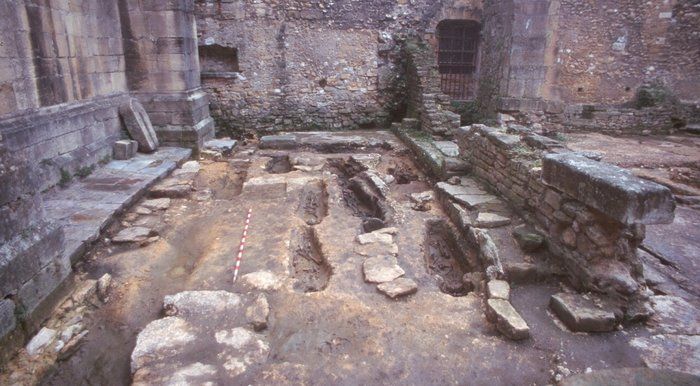
Los orígenes de la ciudad de Oviedo han sido objeto, desde los mismos momentos de su fundación, de una continuada tradición historiográfica que sin interrupciones notables alcanza a la actualidad. La perspectiva adoptada, casi sin excepciones, ha sido la de asumir, revestir y comentar los relatos fundacionales altomedievales. La perspectiva aquí empleada es diferente. Se aprovechan los datos de los ya numerosos informes y memorias arqueológicas publicadas sobre las excavaciones llevadas a cabo en el interior del recinto medieval, sometiéndolas a crítica y contraste. Es el estudio de estas fuentes el que ha permitido elaborar las preguntas y las respuestas, cuyos resultados son el espejo contra el que se proyectan las informaciones documentales y literarias. Se inicia el recorrido con el análisis sistemático de los testimonios arqueológicos y toponímicos del territorio que circunda el emplazamiento inicial, la colina denominada Obetao, calibrando su importancia para el futuro núcleo habitacional. A continuación se estudian monográficamente los aspectos documentales y parcelarios –en tanto puedan ser reconstruidos– relacionados con la génesis y evolución del núcleo antiguo ovetense: la fundación del monasterio de San Vicente y la acción de Fruela I; la obra de Alfonso II (791-842), con la creación del complejo episcopal y el núcleo catedralicio, y la primera y única delimitación del conjunto; los grandes sectores en los que se ordena el poblamiento altomedieval: palacios, monasterios y cortes. El estudio de los inicios de la promoción urbanística en el perímetro del asentamiento altomedieval permite concluir que solamente se puede hablar de ciudad a partir de tiempos avanzados del siglo XII, en consonancia con otros fenómenos históricos como la concesión del fuero ciudadano, la circulación monetaria y el crecimiento demográfico, que solamente encuentran su coherente fundamento histórico en esta nueva perspectiva.