
Palabras clave
Musteriense
Achelense
jerarquización
transiciones
complejidad humana
Resumen
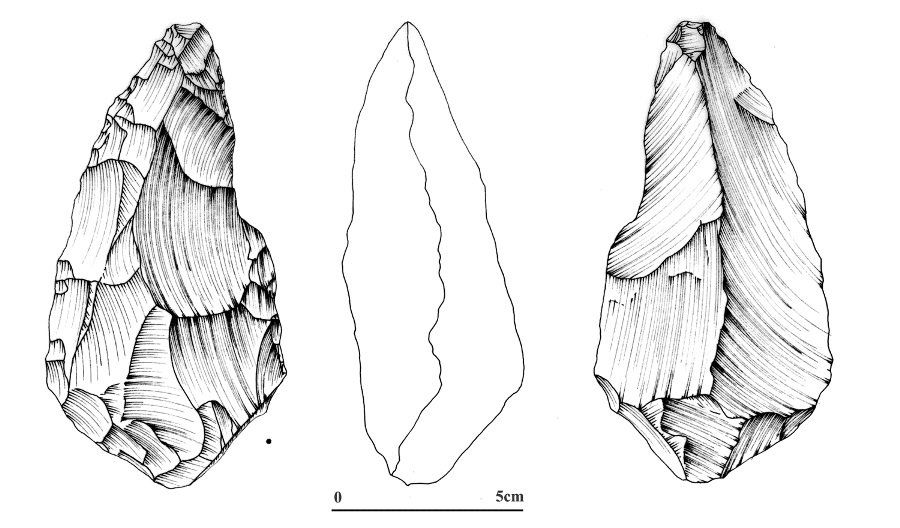
El origen del método de talla Levallois ha sido uno de los principales focos de discusión desde el mismo momento de su descubrimiento, en la segunda mitad del siglo XIX. El presente artículo se centra en la evolución de las estrategias de talla de tipo jerarquizado en dos yacimientos del oeste europeo, datados entre 300 y 350 ka, momento en el cual tienen lugar una serie de cambios en el registro arqueológico europeo que denotan un incremento de la complejidad en el seno de los grupos humanos que poblaban entonces el viejo continente. El propósito del estudio es pues analizar el desarrollo de los núcleos jerarquizados y la evolución de la predeterminación en dos yacimientos: el nivel TD10 del yacimiento de la Gran Dolina, en Atapuerca, Burgos y los niveles 7, 4b y 1 del yacimiento de Orgnac 3, en la región del Ardèche, Francia. Ambos sitios, tradicionalmente considerados ejemplos de la transición del Achelense al Musteriense, han sido seleccionados con el objetivo de comparar sus estrategias de talla y determinar la presencia de esquemas técnicos jerarquizados, así como la consecuente aparición de elementos que nos informen sobre la existencia de predeterminación y estandarización en la frontera del 300 000 BP.